Avoidant Attachment in Relationships: Signs, Causes, and How Therapy Can Help in Northern Colorado

What Is Avoidant Attachment in Relationships?
If you’ve ever felt like you’re “too much” in relationships—or on the flip side, like closeness feels overwhelming or suffocating—you’re not alone. Many women in Northern Colorado search for answers to patterns like emotional distance, fear of intimacy, or difficulty depending on others. One framework that helps make sense of this is avoidant attachment.
Avoidant attachment isn’t a personality flaw or a sign that something is “wrong” with you. It’s a relational pattern that develops for a reason and, importantly, can be reshaped with the right support.
At The Bloomhouse Women’s Counseling Collective, we specialize in helping women across Fort Collins, Loveland, Windsor, and the broader Northern Colorado area understand and heal attachment wounds so they can experience deeper, more secure relationships.
What Is Avoidant Attachment?
Avoidant attachment is one of the primary attachment styles identified in attachment theory, originally developed by John Bowlby and expanded by Mary Ainsworth. People with an avoidant attachment style tend to value independence highly and may struggle with emotional closeness, vulnerability, or relying on others.
Common traits of avoidant attachment include:
Difficulty expressing emotions
Discomfort with intimacy or closeness
A tendency to withdraw during conflict
Feeling overwhelmed when others need too much
Preferring self-reliance over interdependence
From the outside, avoidant individuals can appear emotionally distant or unavailable. But internally, the story is often much more complex.
The Problem: Why Avoidant Attachment Feels So Painful in Relationships
Avoidant attachment can create a painful cycle in relationships especially when paired with a partner who craves closeness.
Here’s how it often plays out:
A partner seeks connection or reassurance
The avoidant individual feels overwhelmed or pressured
They withdraw or shut down
The partner pursues even more
The cycle intensifies
This dynamic can lead to:
Chronic miscommunication
Emotional disconnection
Repeated relationship conflict
Feelings of loneliness, even when in a relationship
Many women searching for therapy in Northern Colorado for relationship issues or wondering, “why do I pull away in relationships” are actually experiencing this attachment pattern.
A More Compassionate Lens: Avoidant Attachment Isn’t the Enemy
After specializing in attachment work for most of the past decade, one thing I’ve consistently observed is this: avoidant attachment gets a bad rap.
It’s often misunderstood as coldness, lack of care, or unwillingness to commit. But in reality, avoidant behaviors are protective strategies, or responses to earlier experiences where closeness didn’t feel safe, reliable, or emotionally attuned (usually going all the way back to early childhood).
When we look through the lens of attachment, these patterns make sense:
If your needs weren’t consistently met, you learned not to rely on others
If vulnerability led to rejection or disappointment, you learned to minimize it
If emotions felt overwhelming or ignored, you learned to suppress them
Avoidant attachment, like all attachment patterns, is an adaptation. And what’s adaptive in one context can become limiting in another.
The Root Cause: Where Avoidant Attachment Comes From
Avoidant attachment typically develops in early relationships with caregivers who were:
Emotionally unavailable
Dismissive of feelings
Overly focused on independence
Inconsistent in responsiveness
Children in these environments often learn:
“It’s safer not to need too much.”
Over time, this becomes an internalized belief system that shapes adult relationships.
Research supports this developmental pathway. According to Cassidy & Shaver (2016), attachment patterns formed in childhood significantly influence adult relational behaviors and emotional regulation (https://www.guilford.com/books/Handbook-of-Attachment/Cassidy-Shaver/9781462536641).
Signs You May Have an Avoidant Attachment Style
If you’re wondering whether this applies to you, here are some common indicators:
You value independence to the point of resisting support
You feel uncomfortable when people get “too close”
You shut down during emotional conversations
You struggle to identify or express your feelings
You tend to rationalize rather than feel emotions
You may idealize past relationships or future partners rather than engage deeply in the present
These patterns often show up in searches like:
“Why do I push people away when they get close?”
“Fear of intimacy therapy Fort Collins”
“Emotionally unavailable in relationships help”
The Impact on Women in Northern Colorado
In communities like Fort Collins, Loveland, and surrounding Northern Colorado areas, many women are balancing careers, relationships, family responsibilities, and personal growth.
Avoidant attachment can quietly impact:
Romantic relationships
Friendships
Work dynamics
Self-worth and identity
Parenting dynamics
You might look “put together” on the outside while feeling disconnected internally.
The Solution: How Therapy Helps Heal Avoidant Attachment
The good news is that attachment styles are not permanent. With intentional work, you can move toward a more secure attachment style.
Therapy provides a space to:
Understand your attachment history
Build emotional awareness
Practice safe vulnerability
Learn to tolerate closeness without overwhelm
Develop secure relational patterns
According to a study published in the Journal of Counseling Psychology, attachment-based therapy can significantly improve emotional regulation and relationship satisfaction.
What Attachment-Focused Therapy Looks Like
At the Bloomhouse Women’s Counseling Collective, our approach is trauma-informed, relational, and deeply compassionate.
We help women:
Identify the origins of their attachment patterns
Reconnect with their emotional experiences
Shift from self-protection to self-connection
Build healthier, more fulfilling relationships
This isn’t about forcing you to become someone you’re not. It’s about expanding your capacity for connection on your terms.
Reframing Avoidant Attachment: From Defense to Strength
There are strengths within avoidant attachment that often get overlooked:
Strong independence
Problem-solving skills
Emotional self-sufficiency
Resilience
The goal isn’t to erase these qualities but rather to integrate them with emotional openness and relational trust.
Research from Mikulincer & Shaver (2016) highlights that individuals can develop “earned secure attachment” through corrective relational experiences, including therapy.
Practical Steps You Can Start Today
While therapy is one of the most effective ways to shift attachment patterns, there are small steps you can begin right now:
Notice your triggers: Pay attention to moments when you feel the urge to withdraw.
Name your emotions; Even identifying feelings privately is a powerful step.
Practice tolerating closeness: Stay present in conversations a little longer than feels comfortable.
Challenge all-or-nothing thinking: Connection doesn’t mean losing independence.
Seek support: You don’t have to navigate this alone.
Why Women Choose Bloomhouse Women’s Counseling Collective
If you’re searching for attachment therapy in Northern Colorado, therapy for avoidant attachment Fort Collins, or help with emotional intimacy, Bloomhouse Women’s Counseling Collective offers a supportive, specialized space.
We focus specifically on women’s experiences and relational patterns, helping you:
Feel understood without judgment
Heal attachment wounds
Create more meaningful, connected relationships
Learn more or schedule a session at:https://www.thebloomhousecounseling.com
Final Thoughts: You’re Not Permanently Broken
Avoidant attachment isn’t a sign that you’re incapable of love or connection. It’s a sign that, at some point, closeness didn’t feel safe. But that can change with the right support. You can build relationships that feel both secure and spacious, where you don’t have to choose between independence OR intimacy.
About the Author
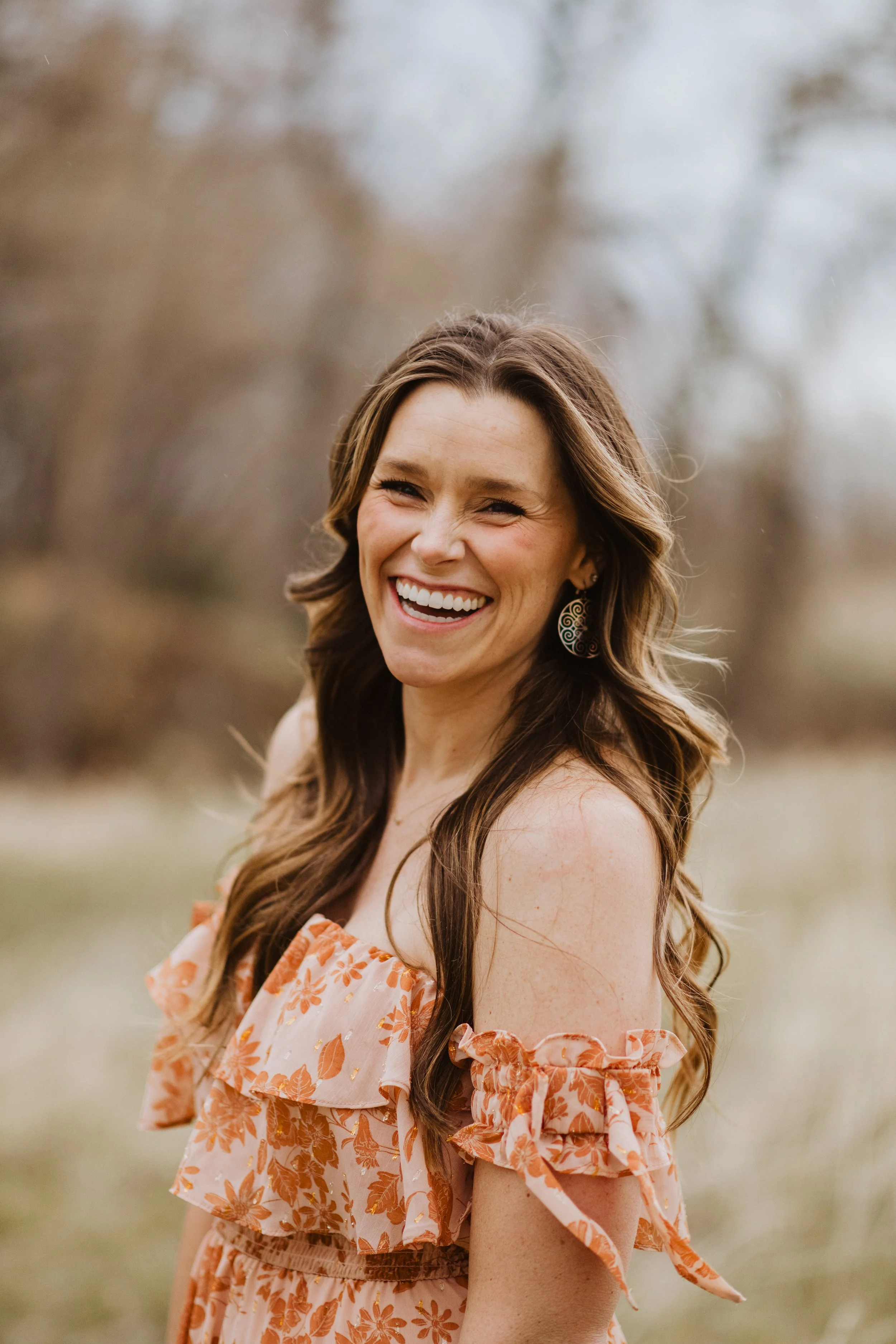
Hannah Dorsher, MA, LPC, NCC, CAT, EMDR is a therapist, relationship, and attachment coach based in Fort Collins, Colorado and the co-founder of The Bloomhouse Women’s Counseling Collective. Hannah specializes in working with individual navigating attachment, relationship struggles, anxiety, perfectionism, birth trauma, and the emotional transitions of motherhood. Her work is rooted in attachment theory, trauma-informed care, and nervous system regulation, with a compassionate, down-to-earth approach that helps clients feel safe, understood, and empowered. Hannah provides therapy to clients throughout Colorado and Florida and offers attachment-based coaching and educational resources for women and moms worldwide. Reach out to her here.
References (APA Format)
Bowlby, J. (1988). A secure base: Parent-child attachment and healthy human development. Basic Books.
Cassidy, J., & Shaver, P. R. (2016). Handbook of attachment: Theory, research, and clinical applications (3rd ed.). Guilford Press. https://www.guilford.com/books/Handbook-of-Attachment/Cassidy-Shaver/9781462536641
Mikulincer, M., & Shaver, P. R. (2016). Attachment in adulthood: Structure, dynamics, and change (2nd ed.). Guilford Press. https://www.guilford.com/books/Attachment-in-Adulthood/Mikulincer-Shaver/9781462533817
Levine, A., & Heller, R. (2010). Attached: The new science of adult attachment and how it can help you find—and keep—love. TarcherPerigee.
Johnson, S. M. (2019). Attachment theory in practice: Emotionally focused therapy (EFT) with individuals, couples, and families. Guilford Press. https://www.guilford.com/books/Attachment-Theory-in-Practice/Susan-Johnson/9781462538249