When Your Birth Story Feels Complicated: Healing After a Traumatic or Difficult Birth Experience
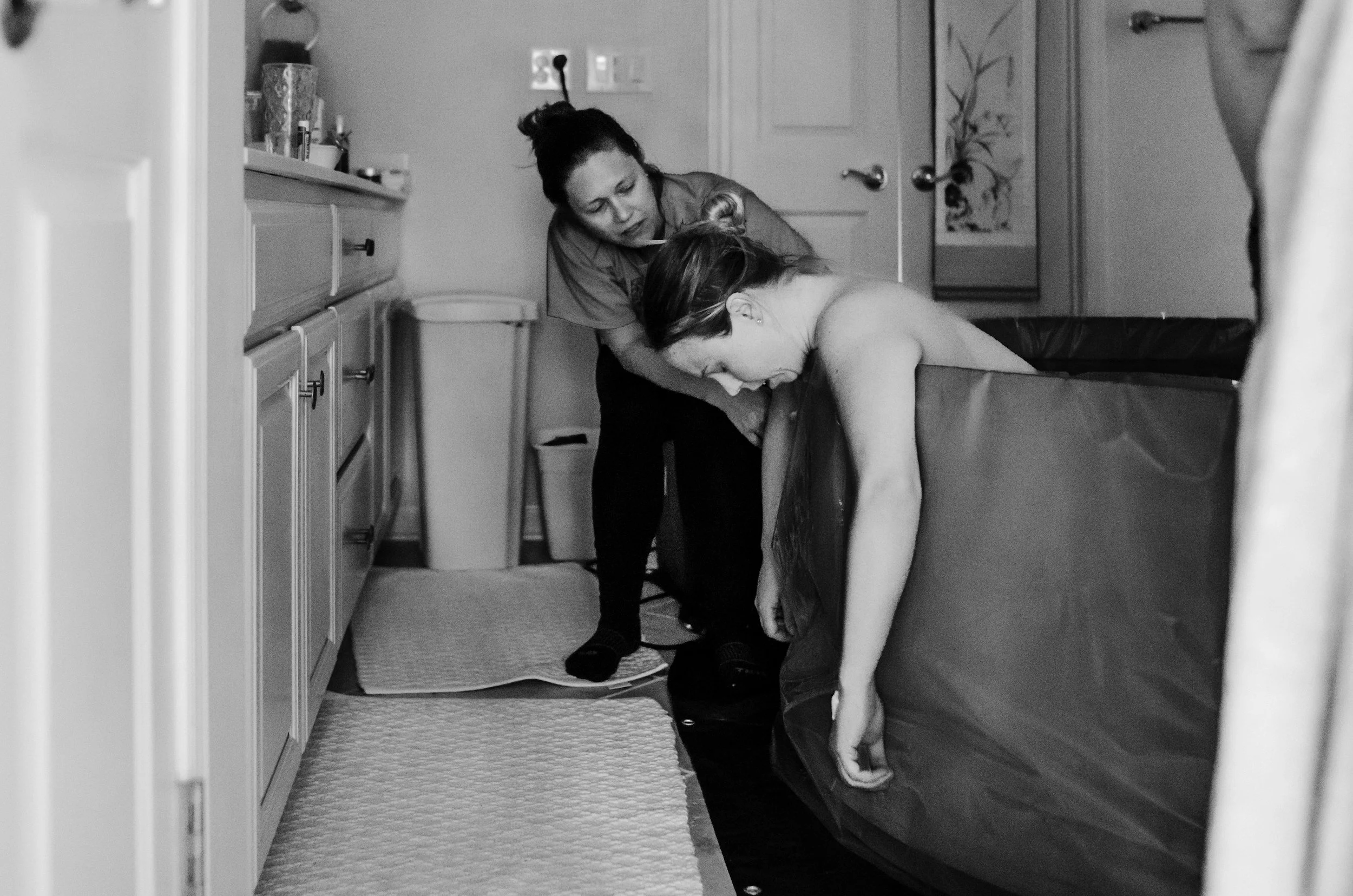
Birth stories can be complicated.
Sometimes we leave a birth feeling grateful, empowered, and deeply positive about the experience. Sometimes we leave feeling confused, disappointed, frightened, or traumatized. And sometimes, we don't fully understand how we feel about our birth until months or even years later.
Recent events involving a local birth center have brought many of these complicated feelings to the surface for families in our community. Following the arrests of two midwives connected to the center, more people have begun sharing stories and concerns about their experiences. For some, the news has been deeply unsettling. For others, it has brought a sense of validation they may have been waiting for for a very long time.
And for some people, perhaps the most significant part is this: they finally feel safe enough to tell their story.
When you have questioned your own experience for years—wondering if something really was wrong, wondering if you overreacted, wondering if you were the only one who felt that way—hearing other people come forward can change something inside of you. It can make you realize that the feelings you've been carrying deserve to be heard.
At the same time, it's important to remember that arrests and allegations are not the same thing as a legal finding of wrongdoing. There are ongoing investigations and legal processes, and those processes will determine what can ultimately be established. But regardless of what happens legally, the emotional experiences people are having right now are real and deserve compassion.
You don't have to have a particular opinion about what happened in order to acknowledge what this moment is bringing up for you.
When Someone Else's Story Brings Your Own Story Back
One of the things we have been thinking about as therapists is how quickly another person's story can bring us back to our own.
Maybe you had a birth that you always described as positive, but hearing recent news has caused you to look back at certain moments differently.
Maybe you had concerns about your care at the time but convinced yourself that you were being overly sensitive or that "this is just how birth goes."
Maybe you knew immediately that something about your experience didn't feel right, but you didn't have the words to explain why.
Or maybe you've carried a traumatic birth experience for years and suddenly, seeing other people speak openly about theirs has given you permission to finally acknowledge your own.
That can be incredibly validating and incredibly destabilizing at the same time.
You might feel angry. Relieved. Sad. Confused. Protective. Grateful. Betrayed. You might even feel guilty for having a positive experience while someone else describes something very different, or guilty for feeling validated by someone else's painful story.
There is no requirement that your feelings make perfect sense right now.
You Can Be Grateful and Still Have Questions
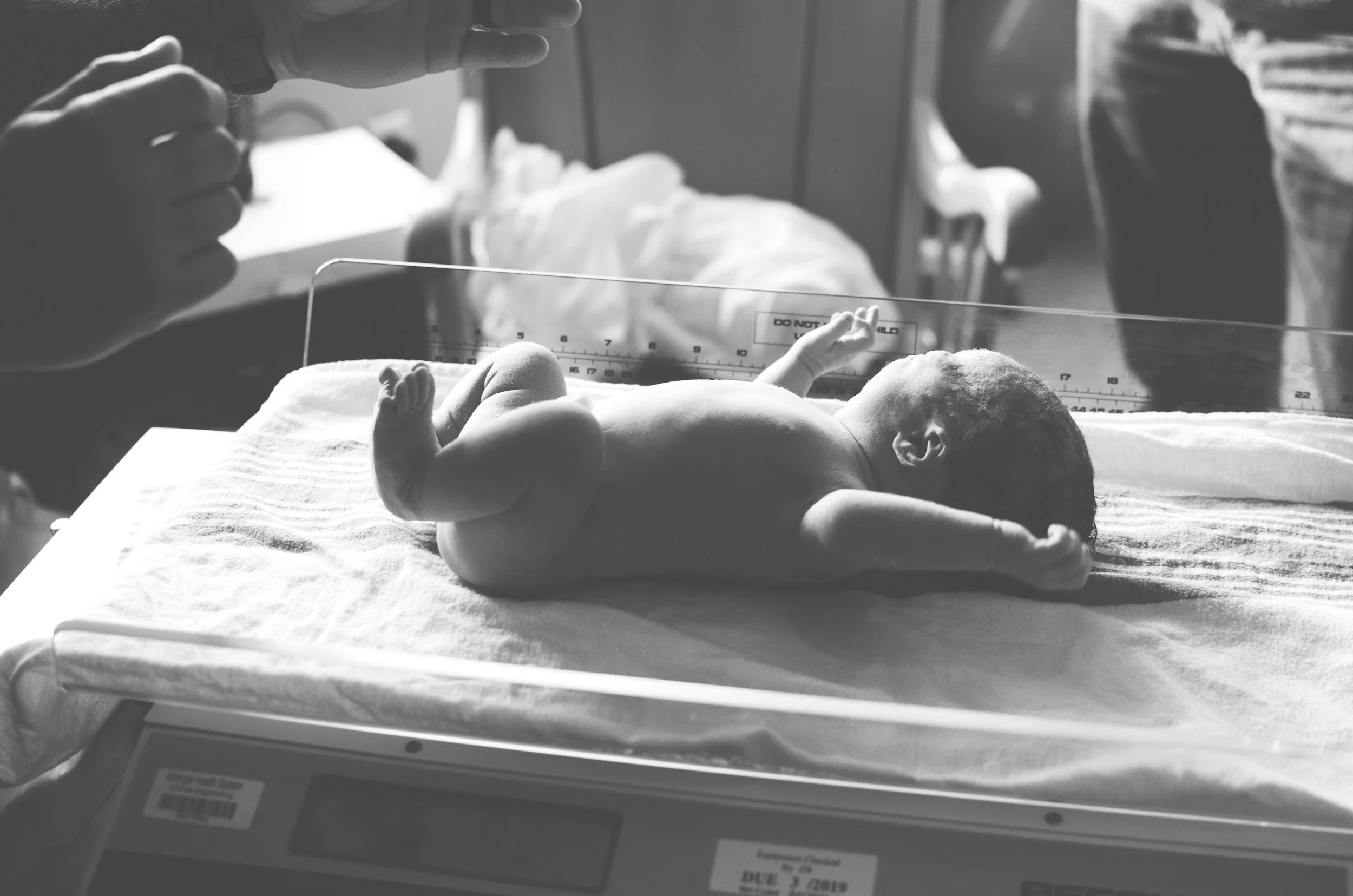
One of the most difficult parts of processing birth experiences can be holding two seemingly conflicting truths at the same time.
You can love your birth story and still wonder about certain parts of it.
You can feel grateful for your provider and still recognize that something didn't feel right.
You can have had a healthy baby and still have experienced trauma.
You can believe that your provider cared deeply about you and still feel angry about something that happened.
And you can have had a genuinely positive experience while also making space for someone else's experience to have been painful.
Human experiences are rarely as simple as "good" or "bad."
Birth is particularly complicated because we often have very little control over what happens once labor begins. We put an enormous amount of trust in the people caring for us. When that trust feels disrupted—or when we later question whether we were adequately informed, protected, or heard—it can affect much more than our memories of the day.
It can affect how we see ourselves as mothers. It can affect how we think about our bodies. It can affect our ability to trust medical providers. It can affect future pregnancies. And sometimes, it can affect the way we remember those first moments with our baby.
For Those Who Finally Feel Validated
We especially want to make space for the people who are experiencing a sense of validation right now.
If you've been carrying a birth experience that didn't sit right with you, and the recent arrests or stories from other families have made you think, Maybe I wasn't imagining that. Maybe what I experienced really did matter, I hope you allow yourself to acknowledge that feeling.
You don't need anyone else to tell you that your experience was difficult before you're allowed to feel hurt by it.
You don't need a courtroom finding in order to recognize that something affected you deeply.
And you don't have to prove that your experience was "bad enough" to deserve support.
For some people, this moment may also be the first time they feel comfortable sharing what happened. Perhaps they were afraid they wouldn't be believed. Perhaps they didn't want to speak publicly about a provider they once trusted. Perhaps they didn't have the emotional energy to revisit it. Or perhaps they simply weren't ready.
If you are one of those people, there can be something incredibly powerful about realizing that you are not alone.
Your story is yours to tell, and you get to decide when, where, how, and with whom you share it.
You also get to decide that you don't want to share it publicly at all.
There is no right way to respond.
Why Birth Trauma Can Resurface Years Later
Trauma doesn't always follow a predictable timeline.
Sometimes the experience feels overwhelming immediately. Other times, you get through the birth, bring your baby home, and simply keep moving because there is a newborn who needs you.
You may tell yourself you're fine because your baby is healthy.
You may minimize what happened because other people had it worse.
You may not have realized that you were traumatized until another pregnancy, another medical appointment, or another person's birth story brought those memories rushing back.
Research has found that traumatic childbirth experiences can contribute to postpartum post-traumatic stress symptoms, including intrusive memories, avoidance, anxiety, fear, guilt, shame, and difficulty trusting healthcare providers. These experiences can also affect a mother's sense of safety and, for some women, the early parent-child relationship.
This doesn't mean that everyone who has a difficult birth will develop PTSD. But it does mean that the emotional impact of birth deserves to be taken seriously.
And sometimes, the thing that finally opens the door to healing isn't the birth itself—it's finally having enough distance, safety, or validation to look back at what happened.
What Can You Do If This News Has Stirred Something Up?
If recent events have brought up emotions about your own birth, you don't need to immediately figure everything out.
Start by giving yourself permission to slow down.
If you're consuming hours of social media posts, news articles, or other people's birth stories, consider taking a break if you notice yourself becoming increasingly anxious or activated. Staying informed is different from repeatedly exposing yourself to information that is overwhelming your nervous system.
You might also try writing down your own birth story—not the version you have told other people, but the version you remember. What happened? What did you expect to happen? What surprised you? When did you feel safe? When did you feel afraid? Were there moments when you felt unheard, powerless, dismissed, or confused?
You don't have to decide what it all means yet.
Sometimes simply putting the experience into words can help you begin making sense of it.
And if you find that you keep thinking about the experience, avoiding reminders, feeling intense anxiety or anger, having intrusive memories, or struggling with trust because of what happened, it may be worth talking with a therapist who understands birth trauma.
You Don't Have to Process This Alone

At Bloomhouse Women's Counseling Collective in Fort Collins, we work with women and mothers who are navigating difficult and traumatic experiences around pregnancy, birth, postpartum life, relationships, and motherhood.
Birth trauma therapy isn't about telling you how you should feel about your birth or helping you decide whether someone else did something wrong. It's about creating a safe place where you can explore your experience without judgment.
Sometimes that means making sense of what happened. Sometimes it means working through fear, anger, guilt, or grief. Sometimes it means rebuilding trust in your body or in healthcare providers. And sometimes it means finally allowing yourself to say, "That was really hard for me," without minimizing it.
For some people, EMDR can be a helpful part of processing traumatic memories. Other people benefit from attachment-focused therapy, nervous system regulation, or simply having a compassionate space to tell their story to someone who understands.
You don't have to wait until you are completely overwhelmed to reach out.
And you don't have to know exactly what you need before you make an appointment.
Your Birth Story Belongs to You

The recent events in our community have created a complicated emotional landscape for many families.
Some people are grieving. Some are angry. Some are confused. Some are questioning experiences they thought they had already made peace with. Some are feeling relieved or validated. And some are finally finding the courage to tell stories they've kept quiet for years.
All of those reactions can exist at the same time.
If this moment has brought something up for you, try not to judge yourself for whatever you're feeling. You don't have to defend your birth experience, rewrite it to make someone else comfortable, or immediately decide what it means.
Your experience belongs to you.
Whether your birth was beautiful, frightening, empowering, traumatic, complicated, or somehow all of those things at once, you deserve the opportunity to make sense of it.
And if you are finally feeling safe enough to tell your story, I hope you know this: you deserve to be heard.
Healing doesn't require you to change what happened. It begins with being able to acknowledge what happened—and recognizing that your experience matters.
About the Author

Kelly Sinning, MA, LPC, PMH-C is a therapist and co-founder of The Bloomhouse Women’s Counseling Collective in Fort Collins, Colorado. She is passionate about supporting women through life transitions, motherhood, anxiety, relationship challenges, and identity shifts. Kelly’s approach is compassionate, collaborative, and grounded in helping clients feel truly seen and supported as they work toward emotional healing and meaningful change. She provides therapy to clients in Colorado and is dedicated to creating a safe, affirming space for women across the lifespan. Reach out to her here.

Hannah Dorsher, MA, LPC, NCC, CAT, EMDR is a therapist, relationship, and attachment coach based in Fort Collins, Colorado and the co-founder of The Bloomhouse Women's Counseling Collective. Hannah specializes in working with women and mothers navigating anxious attachment, relationship struggles, anxiety, perfectionism, birth trauma, EMDR, and the emotional transitions of motherhood. Her work is rooted in attachment theory, trauma-informed care, and nervous system regulation, with a compassionate, down-to-earth approach that helps clients feel safe, understood, and empowered. Hannah provides therapy to clients throughout Colorado and Florida and offers attachment-based coaching and educational resources for women and moms worldwide. Reach out to her here.