
Motherhood Doesn't Cause Anxiety—It Reveals It: Why So Many Moms Discover Anxiety After Having Children
Why becoming a mom often uncovers anxiety that was quietly there all along—and how therapy can help.

When many women become mothers, they're surprised by something they never expected.
They've always considered themselves "a little worried" or "organized." Maybe they were planners. Maybe they liked things done a certain way. Maybe they occasionally felt overwhelmed before big life events.
But after having children?
Suddenly they're lying awake at 2 a.m. replaying every decision they made that day.
They're checking the baby monitor for the tenth time.
They're imagining worst-case scenarios every time someone else holds their child.
They're constantly questioning whether they're doing enough.
They wonder:
"Why am I so anxious now? Motherhood changed me."
Here's something that might feel both surprising and validating:
Motherhood doesn't necessarily create anxiety. Often, it reveals anxiety that was already there.
At The Bloomhouse Women's Counseling Collective in Fort Collins, Colorado, we work with women throughout Northern Colorado who are navigating anxiety during pregnancy, postpartum, and every stage of motherhood. One of the most freeing realizations many clients have is understanding that they aren't suddenly "broken."
Instead, motherhood often removes the distractions that once kept anxiety hidden—and raises the emotional stakes high enough that anxiety becomes impossible to ignore.
Why Anxiety Often Appears During Motherhood

Before becoming a mom, many women unknowingly managed their anxiety through structure.
Work.
Exercise.
Achievement.
Busy schedules.
Social activities.
Control.
Many high-achieving women develop coping strategies that work remarkably well.
Until they don't.
Motherhood introduces something completely different:
You are now deeply responsible for another human being.
Your routines disappear.
Sleep becomes unpredictable.
Hormones fluctuate dramatically.
Your identity shifts.
Your brain suddenly prioritizes protecting your child above nearly everything else.
In other words:
The environment changes, not necessarily your underlying anxiety.
The anxiety that was once manageable suddenly becomes loud.
Anxiety Loves Uncertainty—and Motherhood Is Full of It
If anxiety had a favorite environment, it would probably be early motherhood.
Questions never stop.
Is my baby eating enough?
Are they sleeping enough?
Did I respond correctly?
Should I have breastfed longer?
Should I go back to work?
Am I spending enough time with them?
What if something happens?
There are very few definitive answers.
For someone whose nervous system already struggles with uncertainty, motherhood can feel exhausting.
This doesn't mean you're weak.
It means your brain is working overtime trying to keep everyone safe.
Hidden Anxiety Can Look Like "Being a Good Mom"

One reason maternal anxiety goes unnoticed is because it often looks responsible.
You research everything.
You double-check.
You prepare.
You anticipate.
You organize.
People compliment you on how prepared you are.
Inside, though?
You're exhausted.
Many moms experiencing anxiety hear things like:
"You're so on top of everything."
"You're such a great mom."
"You're always thinking ahead."
What people don't see is the constant mental load behind those behaviors.
The endless "what if" thoughts.
The inability to relax.
The pressure to never make a mistake.
The guilt whenever you slow down.
The Mental Load Is Real
Many women searching for therapy in Fort Collins describe feeling like their brain never turns off.
You're not only remembering doctor's appointments.
You're tracking:
School forms
Grocery lists
Birthday gifts
Summer camps
Medications
Bedtime routines
Emotional needs
Family schedules
Work deadlines
Meal planning
Laundry
Childcare logistics
Even when you're sitting on the couch, your brain isn't resting.
It's planning.
Predicting.
Problem-solving.
This invisible mental load can intensify existing anxiety and make it feel impossible to truly relax.
Perfectionism and Anxiety Often Go Hand in Hand

Many women don't identify as anxious.
They identify as perfectionists.
But perfectionism is often anxiety wearing a different outfit.
Thoughts like:
"If I do everything perfectly, nothing bad will happen."
"I should be able to handle this."
"Good moms don't struggle."
"Everyone else seems to have it together."
These beliefs keep anxiety alive.
Because perfection is impossible.
And motherhood makes that obvious very quickly.
Children are beautifully unpredictable.
They don't follow the parenting books.
Neither does life.
Signs Your Anxiety May Have Been There Before Motherhood

You may recognize yourself if you've always:
Been a chronic overthinker
Needed reassurance from others
Had trouble relaxing
Felt responsible for everyone else's emotions
Struggled with perfectionism
Been highly self-critical
Avoided uncertainty
Planned for every possible outcome
Felt guilty when resting
Found it difficult to "turn your brain off"
Motherhood simply magnified patterns that had quietly existed for years.
When Does Normal Worry Become Anxiety?
Every parent worries.
That's part of loving someone deeply.
But anxiety becomes something more when it begins interfering with your daily life.
Some signs include:
Constant racing thoughts
Panic attacks
Difficulty sleeping even when your baby sleeps
Irritability
Feeling on edge all day
Intrusive thoughts
Excessive checking behaviors
Avoiding situations because they feel unsafe
Difficulty enjoying time with your family
Feeling emotionally exhausted all the time
If this sounds familiar, you're far from alone.
Perinatal anxiety disorders affect a significant number of mothers and are highly treatable with evidence-based care.
The Good News: Anxiety Can Be Treated

Here's what we want every mom to hear:
You do not have to keep living in survival mode.
Therapy doesn't eliminate every stressful situation.
It changes your relationship with anxiety.
At The Bloomhouse Women's Counseling Collective, therapy often helps women:
Understand why their anxiety developed
Identify triggers
Challenge unhelpful thinking patterns
Calm an overactive nervous system
Reduce perfectionism
Build self-compassion
Create healthier boundaries
Learn evidence-based coping skills
Feel present with their families again
Over time, many women discover something unexpected:
They're no longer simply surviving motherhood.
They're actually enjoying it.
Therapy Isn't About Becoming a Different Person
Many moms worry therapy will somehow make them less caring.
Less attentive.
Less protective.
It won't.
Healthy anxiety and healthy caution are different from chronic fear.
Therapy helps your brain distinguish between:
Real danger.
And perceived danger.
You can still be an attentive mother without living in constant fight-or-flight mode.
You Don't Have to Wait Until You're Falling Apart

One of the biggest myths about therapy is that you have to reach a breaking point first.
You don't.
In fact, early support often prevents anxiety from becoming more severe.
Many women seek counseling because they notice:
"I don't feel like myself."
"I'm constantly overwhelmed."
"My thoughts won't stop."
"I feel guilty all the time."
"I want to enjoy motherhood more."
Those are all valid reasons to reach out.
Compassionate Anxiety Therapy for Women in Northern Colorado
At The Bloomhouse Women's Counseling Collective, we specialize in therapy for women navigating every stage of motherhood—from trying to conceive to pregnancy, postpartum, and parenting beyond the newborn years.
Our therapists understand the unique emotional demands placed on women today. Whether you're struggling with postpartum anxiety, generalized anxiety, perfectionism, intrusive thoughts, burnout, or simply feel overwhelmed by the invisible mental load of motherhood, you don't have to navigate it alone.
We proudly serve women throughout Fort Collins, Loveland, Windsor, Timnath, Wellington, Severance, Greeley, and communities across Northern Colorado through compassionate, evidence-based therapy tailored to your unique needs.
Motherhood doesn't have to feel like constant worry.
Healing is possible.
And you deserve support that helps you experience motherhood with greater peace, confidence, and connection.
If you're ready to stop letting anxiety make the decisions, we're here to help.
Learn more or schedule an appointment at https://www.thebloomhousecounseling.com.
About the Author
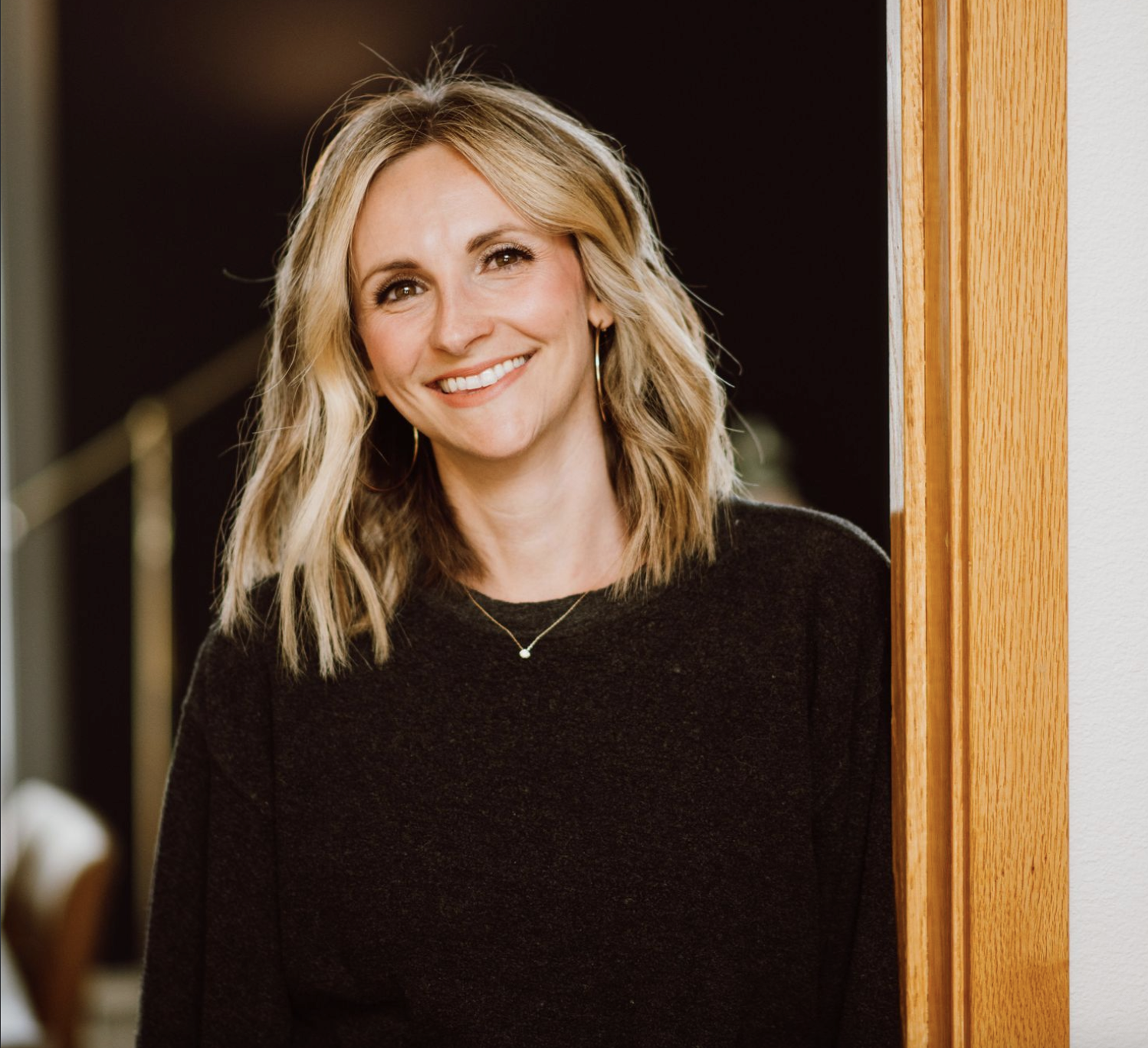
Kelly Sinning, MA, LPC, PMH-C is a therapist and co-founder of The Bloomhouse Women’s Counseling Collective in Fort Collins, Colorado. She is passionate about supporting women through life transitions, motherhood, anxiety, relationship challenges, and identity shifts. Kelly’s approach is compassionate, collaborative, and grounded in helping clients feel truly seen and supported as they work toward emotional healing and meaningful change. She provides therapy to clients in Colorado and is dedicated to creating a safe, affirming space for women across the lifespan.
References
American College of Obstetricians and Gynecologists. (2023). Anxiety and pregnancy. https://www.acog.org/womens-health/faqs/anxiety-and-pregnancy
American Psychiatric Association. (2023). What are anxiety disorders?https://www.psychiatry.org/patients-families/anxiety-disorders/what-are-anxiety-disorders
Centers for Disease Control and Prevention. (2024). Maternal mental health. https://www.cdc.gov/hearher/maternal-mental-health/index.html
Postpartum Support International. (2024). Perinatal mental health disorders. https://www.postpartum.net/learn-more/
U.S. Department of Health and Human Services, Office on Women's Health. (2023). Mental health conditions during and after pregnancy. https://www.womenshealth.gov/mental-health/mental-health-conditions/postpartum-depression